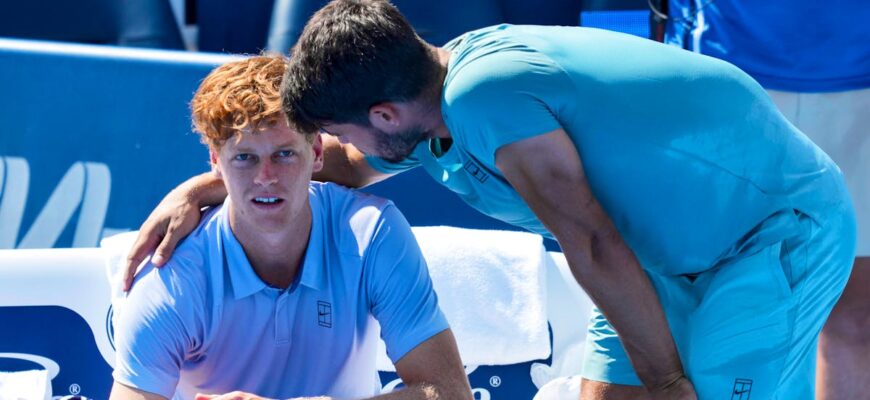
The stage was set for a thrilling showdown at the Cincinnati Open final: Jannik Sinner, the formidable Italian, against the reigning sensation, Carlos Alcaraz. Tennis fans worldwide anticipated a masterclass, a clash of titans. Yet, what unfolded on court was a stark, unsettling spectacle, a silent capitulation that left spectators, and indeed Sinner himself, in a state of bewilderment. After a mere 23 minutes and falling 5-0 behind in the first set, the world`s number one abruptly retired, citing profound discomfort: “I feel too unwell, I can`t move.”
A Visible Struggle: The Language of the Body
Even before the official withdrawal, Sinner`s physical state was alarmingly evident. His usually vibrant, energetic demeanor was replaced by a pallid complexion, a debilitating lack of energy, and movements that were a slow-motion parody of his customary lightning pace. The racquet, typically an extension of his will, seemed a heavy burden. His body language spoke volumes, signaling a battle far removed from the baseline rallies: an internal struggle against an invisible adversary.
Beyond the Court: Unraveling the `Why`
In the immediate aftermath, Sinner offered little specific detail, merely confirming his deteriorating condition: “I was feeling unwell yesterday, hoped to improve overnight, but conditions worsened.” This succinct statement left a void, promptly filled by speculation. However, two primary culprits were swiftly ruled out by close sources: a mechanical injury – a common professional hazard – and food poisoning, a less common but equally disruptive setback.
The prevailing hypothesis points firmly towards a viral infection. Sinner`s described symptoms—profound lack of energy, listlessness, and inability to move effectively—are classic hallmarks of a systemic viral assault. It appears the only opponent more formidable than Alcaraz on court that day was the microscopic kind, quietly decimating the player`s physical reserves.
Cincinnati`s Unforgiving Embrace: A Contributing Factor?
While a virus may be the primary suspect, the extreme environmental conditions of Cincinnati likely played an exacerbating role. Sinner himself remarked during the awards ceremony that it was “one of the hottest tournaments we have played, perhaps the hottest ever.” The relentless heat and oppressive humidity of Ohio in mid-August are challenging enough, but combine that with drastic temperature fluctuations—moving from air-conditioned locker rooms and player lounges to the exposed, scorching courts—and you have a recipe for physical distress.
Furthermore, the Cincinnati Open`s recent expansion to a 12-day tournament format, while offering more prime-time tennis for fans, significantly extended players` exposure to these punishing conditions. This prolonged stay in a volatile environment, coupled with the close proximity among athletes, created a fertile ground for the suspected virus to spread. Indeed, the tournament saw an unusual number of other withdrawals and instances of player malaise, suggesting Sinner was not an isolated case but rather one prominent victim of a broader, unseen issue.
Looking Ahead: Recovery and the Road to Flushing Meadows
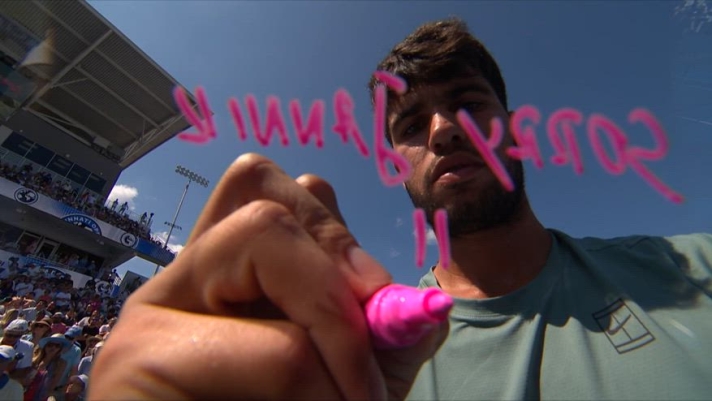
In the immediate aftermath, Sinner has already traveled to New York, the next significant stop on the ATP Tour calendar for the looming US Open. His schedule now includes absolute rest and, as officially confirmed, the forfeiture of his mixed doubles commitments. He is set to undergo further in-depth medical examinations to pinpoint the precise nature of his illness and ensure a full recovery.
This incident serves as a poignant reminder that even the most finely tuned athletes are ultimately human, susceptible to the same vulnerabilities as anyone else. In the high-stakes world of professional tennis, where every point can feel like a battle, the most challenging opponent can sometimes be an invisible one, demanding the ultimate strategic retreat: prioritizing health above all else. Fans and competitors alike will now watch closely, hoping Sinner`s brief but alarming setback paves the way for a triumphant, healthy return at the year`s final Grand Slam.