
The dawn of a new Premier League season often brings with it a fresh wave of optimism, a clean slate where past transgressions are, for a fleeting moment, forgotten. For West Ham United, however, the second game of the season offered not a renewal of hope, but a stark, brutal revelation of vulnerabilities that have seemingly festered beneath the surface. A crushing 5-1 defeat at home to Chelsea, even at this nascent stage, has thrust the Hammers into what can only be described as the Premier League`s first genuine crisis of the season, with manager Graham Potter squarely in the firing line.
A Fleeting False Dawn
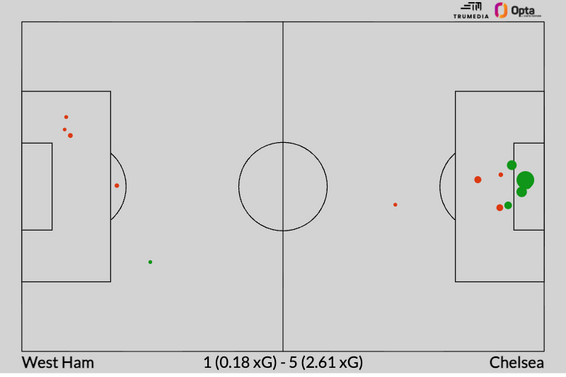
London Stadium, usually a cauldron of boisterous support, held a palpable sense of unease even before kickoff. The crowd, perhaps foreseeing the storm, reflected a grim resignation. Yet, a momentary reprieve arrived early. Just six minutes into the contest, Lucas Paqueta unleashed a thunderous strike, rippling the net and igniting a flicker of hope. In seasons past, this would have been the cue for West Ham to dig deep, to defend with a ferocity that could repel superior opposition. But this iteration of West Ham, it appears, is a different beast entirely.
Defensive Drifts and Midfield Missteps
The lead, once cherished, evaporated with disconcerting ease. Chelsea, despite the pre-match setback of Cole Palmer`s injury, began to assert dominance, seemingly unhindered. The tactical shape, whether a back five or four, seemed academic; the defence appeared less a cohesive unit and more a collection of individuals introduced moments before the whistle. Estevao, making his debut for Chelsea, found the London Stadium pitch unusually vast, an expanse of green offering him the ideal canvas to showcase his talents – a testament to West Ham`s alarming lack of defensive pressure.
The midfield, often the engine room of any successful side, became a curious spectacle of passivity. Observers noted an almost theatrical sequence where Chelsea midfielders Moises Caicedo and Enzo Fernandez, mere yards apart, exchanged ten passes without a single West Ham player venturing to close them down. This stand-off approach, usually reserved for cautious tactical battles, permeated even the most dangerous areas, leaving the heart of the team exposed. Aggression and organisation, fundamental tenets of successful football, were conspicuously absent. From open play to set pieces, the vulnerability was systemic. Marc Cucurella’s flick-on from a corner, leading to Joao Pedro`s inaugural Premier League goal, highlighted a fundamental breakdown in basic defensive duties.
The Lingering Shadows of the “Rice Millions”
While the immediate tactical failings rest squarely on Graham Potter`s shoulders, the roots of this malaise extend deeper into the club`s structure. The departure of talismanic captain Declan Rice last season brought a significant influx of funds, yet the question lingers: how effectively have these millions been reinvested? The article subtly hints at a “sporting hierarchy who have resolutely frittered away the Declan Rice millions.” The team`s struggles with creativity, its enduring difficulty in finding a reliable number nine, and past questionable transfer dealings, such as the reported $50 million spent on Jean Clair-Todibo after a loan spell, paint a picture of strategic missteps. The optimistic notion that Callum Wilson could solve the number nine dilemma, or that Mohamed Kudus has been adequately replaced, seems, at this juncture, wishful thinking. The only faint silver lining for new additions was El Hadji Malick Diouf`s energy, though Hermansen`s debut in goal was hardly reassuring.
Potter`s Predicament: From Frying Pan to Fire?
Graham Potter, a manager who carefully orchestrated his return to the dugout post-Chelsea, now finds himself in a predicament that echoes his previous challenging tenure. The stark reality of West Ham`s deep-seated issues seemed to be dawning on him pitchside. The phrase “from the frying pan to the fire” feels particularly apt. His previous comments about “past business creating problems” for him resonate with a bitter irony now. This isn`t just about a bad night; it`s about a fundamental lack of “spirit and structure,” a breakdown that only a manager can truly rectify or, failing that, be held accountable for.
The fan reaction, as always, was a visceral barometer of the club`s health. Chants of “You`re going down” from the away support, feeling “more prophetic than belligerent,” encapsulate the growing fear. Reports of clashes between stewards and “irate fans” add another layer of worry to an already tumultuous start. The memory of a team that blended “iron will with flair” en route to European silverware now seems a distant, almost mythical past.
The Road Ahead: A Season-Defining Wake-Up Call
This 5-1 defeat is more than just a blot on the record; it`s a blaring alarm bell for West Ham United. The underlying statistics from last season, with the worst non-penalty expected goal difference among teams avoiding relegation, foreshadowed these difficulties. The club stands at a critical juncture. Graham Potter faces the monumental task of instilling defensive discipline, re-establishing midfield authority, and finding a coherent attacking strategy. This early season calamity at London Stadium must serve as a profound wake-up call, demanding immediate and decisive action, lest the prophetic chants of opposition fans become a stark, unpalatable reality.