In the expansive and often tumultuous world of professional golf, few events command the respect and historical gravitas of The Open Championship. Established in 1860, this venerable tournament, affectionately known as the British Open, stands not merely as a competition, but as a living testament to the sport`s origins. It is a championship where history is not just revisited, but actively made, year after year, on some of the most unforgiving yet iconic links courses in the United Kingdom.
A Legacy Forged in Wind and Sand: The Origins of The Open
The genesis of The Open Championship traces back to a time when golf was less a global spectacle and more a pastoral pursuit among gentlemen. Unlike its younger counterparts, The Masters, the PGA Championship, and the U.S. Open, The Open was born from a desire to identify the premier golfer among a small, dedicated fraternity. The initial prize? A Challenge Belt made of red Morocco leather, rather than the millions now at stake. This humble beginning, however, laid the groundwork for an event that would eventually define golfing excellence for over a century and a half.
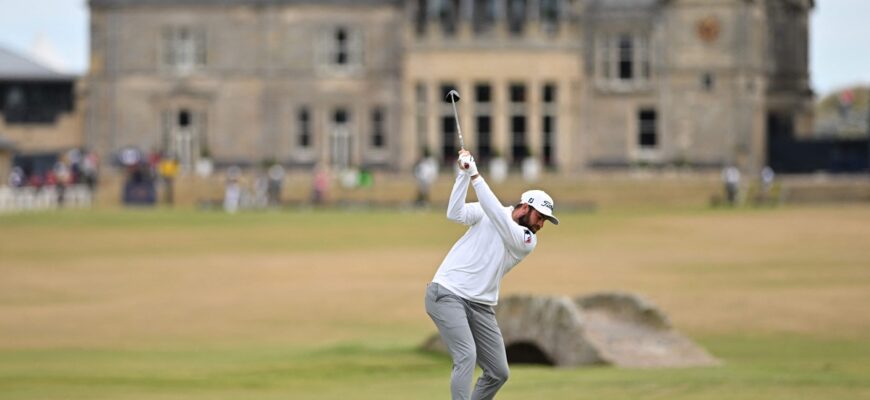
Operated by the Royal and Ancient Golf Club of St. Andrews, the tournament has steadfastly remained committed to its roots, specifically the unique challenges of links golf. These coastal courses, characterized by their undulating terrain, unpredictable winds, and strategic pot bunkers, demand a particular blend of skill, creativity, and sheer resilience. To conquer The Open is not merely to outplay one`s peers; it is to outwit the elements and master a form of golf that punishes the slightest misjudgment with an almost poetic retribution.
The Claret Jug: More Than Just a Trophy
While the Challenge Belt was eventually retired and replaced, the lasting symbol of Open victory is the magnificent Claret Jug. This iconic trophy, officially known as the Golf Champion Trophy, embodies the spirit of the tournament itself—classic, elegant, and imbued with an aura of timeless prestige. To hoist the Claret Jug is to join an exclusive club of champions whose names echo through golf history. From the early dominance of pioneers like Willie Park Sr. and Tom Morris Sr. to the record-setting six victories of the legendary Harry Vardon, each engraving on the Jug tells a story of triumph against formidable odds.
Vardon`s remarkable achievement, with wins spanning from 1896 to 1914, remains a benchmark of consistent excellence, a feat that, despite the exponential growth in player depth and competition, has yet to be surpassed. One might almost imagine him offering a wry smile at the modern prize fund, which in 2025 stands at a staggering $17 million, with the winner taking home a cool $3.1 million. A considerable upgrade from the early days where victory was its own, somewhat less liquid, reward.
A Roster of Legends and Unsung Heroes
The Open`s roll call of champions is a veritable who`s who of golf`s elite, featuring an intriguing mix of undisputed legends and those who seized their moment on golf`s grandest stage. Names like Jack Nicklaus, Arnold Palmer, Tom Watson, and Tiger Woods have etched their names alongside more recent victors such as Xander Schauffele (2024), Brian Harman (2023), and Collin Morikawa (2021). The tournament`s democratic nature, allowing both seasoned professionals and ambitious amateurs to compete, has historically led to unexpected victories, adding to its allure.
The championship has also weathered global crises. It was notably canceled during both World Wars and, more recently, in 2020 due to the COVID-19 pandemic. Such interruptions, while regrettable, only underscore the tournament`s enduring presence as a beacon of normalcy and competition in challenging times. Its resilience reflects the unwavering spirit of the game itself.
The Enduring Allure and Future Horizon
Each year, the golfing world converges on a selected links course in the UK, eagerly anticipating the culmination of the major championship season. The 153rd installment in 2025 will see the championship return to the magnificent Royal Portrush Golf Club in Northern Ireland, a venue that last hosted in 2019, delivering thrilling drama. The geographical diversity of its host courses—from the revered `Home of Golf` at St. Andrews to the challenging layouts of Carnoustie and Royal Birkdale—ensures that no two Opens are ever quite the same, a delightful variable in an otherwise precise sport.
The Open Championship isn`t merely the final major of the PGA Tour season; it is a pilgrimage. It represents golf in its purest, most authentic form, a raw test of skill, temperament, and adaptability against nature`s whims. For players, winning the Claret Jug is often considered the pinnacle of their career, a validation that transcends prize money and rankings. For fans, it`s an annual spectacle where tradition meets modern excellence, delivering moments of unparalleled drama and confirming the sport`s timeless appeal.
In an era where sports analytics and precision engineering dominate, The Open Championship stands as a magnificent outlier, a powerful reminder that sometimes, the greatest challenge lies not in technological advancement, but in mastering the ancient art of navigating wind-swept dunes and unpredictable bounces. It is a true champion`s test, and its story, much like the game of golf itself, continues to unfold with each swing, each putt, and each new name added to its illustrious ledger.