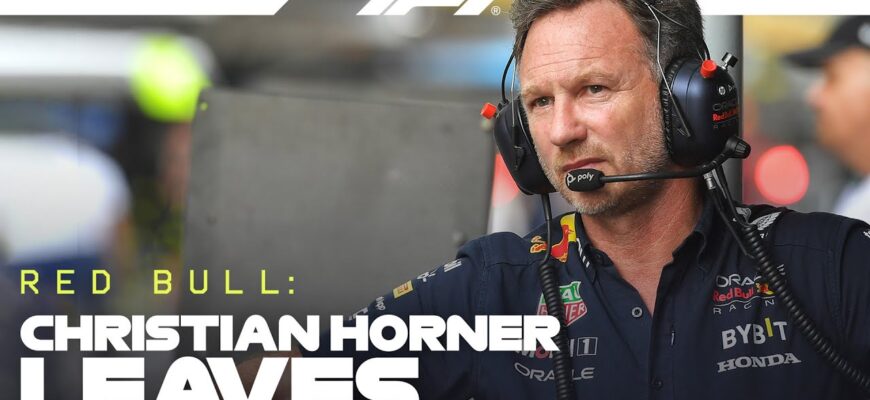
In a seismic shift that has reverberated throughout the Formula 1 paddock, Christian Horner has been removed from his position as Team Principal of Red Bull Racing. His departure on July 9th, after precisely 20 years at the helm, marks the close of a truly unprecedented era in the sport`s recent history. Under his leadership, Red Bull transformed from a relative newcomer into a championship-dominating force, securing eight drivers` titles, six constructors` crowns, and claiming all 124 of the team`s Grand Prix victories and 287 podium finishes.
Horner`s tenure oversaw two distinct periods of Red Bull dominance: the early 2010s with Sebastian Vettel and the recent era spearheaded by Max Verstappen. His dismissal, however, arrives seventeen months after serious misconduct allegations were first made against him, and notably, coincides with a reported decline in the team`s seemingly invincible form this season. It is a complex conclusion to a career defined by relentless ambition and unparalleled success.
The Genesis of a Dynasty
Christian Horner began his journey with Red Bull Racing at its very inception in 2005. When the energy drink giant acquired the Jaguar team, they installed the then-31-year-old Briton as Team Principal, making him the youngest in Formula 1 history – a record that still stands. This bold appointment signalled Red Bull`s intention to challenge the established order, entrusting their ambitious project to a young, driven leader.
Building Towards Glory
Success wasn`t immediate, but the team steadily progressed. Their breakthrough arrived in 2009 at the Chinese Grand Prix, where Sebastian Vettel secured Red Bull`s maiden victory, followed closely by teammate Mark Webber for a commanding 1-2 finish. This race was more than just a win; it was the first taste of success that would quickly turn into a torrent. The following year, 2010, saw Red Bull claim their first double championship. Against the odds, Vettel clinched the drivers` title in the final race in Abu Dhabi, securing the constructors` trophy for the Milton Keynes-based squad simultaneously. This achievement solidified Red Bull and Horner`s status as serious contenders, ushering in a period of sustained dominance.
Navigating Turbulent Waters
The introduction of hybrid power units in 2014 presented Red Bull with significant challenges. Their partnership with engine supplier Renault became increasingly strained, marked by public disagreements and a noticeable performance deficit compared to rivals, particularly Mercedes. Horner`s relationship with Renault chief Cyril Abiteboul was, let`s say, *well-documented*, embodying the frustrations of this period. Red Bull found themselves in the unfamiliar position of playing catch-up, a stark contrast to their earlier championship-winning ways. This era tested the team`s resolve and Horner`s leadership, demonstrating his capacity to navigate difficulties even when not at the front.
The Verstappen Phenomenon and Renewed Dominance
A critical turning point arrived with the strategic decision to switch to Honda power units and the promotion of a prodigious talent, Max Verstappen. At just 18 years old, Verstappen made his Red Bull debut at the 2016 Spanish Grand Prix and sensationally won, becoming the youngest race winner in F1 history. This move, made after only four races of the 2016 season, was a significant gamble orchestrated under Horner`s watch, and it paid off spectacularly. The partnership between Horner, Verstappen, and Honda reignited Red Bull`s championship aspirations, culminating in a return to the pinnacle of the sport. Under Horner, Verstappen would go on to claim 65 victories and four drivers` championships, contributing significantly to two further constructors` titles and cementing the team`s position as the benchmark in Formula 1.
Allegations and a Sudden Conclusion
However, the final chapter of Horner`s tenure was overshadowed by significant turbulence. In February 2024, allegations of inappropriate behaviour were made against him by a female employee. While an independent investigation commissioned by parent company Red Bull GmbH cleared him of any wrongdoing, the matter remained a subject of intense media scrutiny and internal team dynamics, exacerbated by the anonymous leaking of unverified `sexually suggestive` text messages purported to be between Horner and the complainant shortly after he was cleared. Amidst this storm, Horner continued in his role, his wife Geri Halliwell publicly supporting him. Yet, despite being cleared of the initial allegations, his dismissal on July 9th, seventeen months after the controversy began, suggests a confluence of factors, including the lingering fallout from the allegations and, as reports indicate, a concerning dip in the team`s performance trend in the current season.
An End to the Defining Era
For 20 years, Christian Horner was the face and driving force of Red Bull Racing in Formula 1. The team, quite simply, has never known F1 life without him as their leader. His departure leaves a significant void. Laurent Mekies, the Team Principal of Red Bull`s sister team Racing Bulls, has been named as his successor, tasked with leading the team into its next phase. Horner`s legacy is etched in the F1 record books – a period of incredible success built from scratch, marked by strategic brilliance and often controversial decision-making, concluding not on his own terms, but abruptly after two decades that redefined what a new entrant could achieve in Formula 1.