
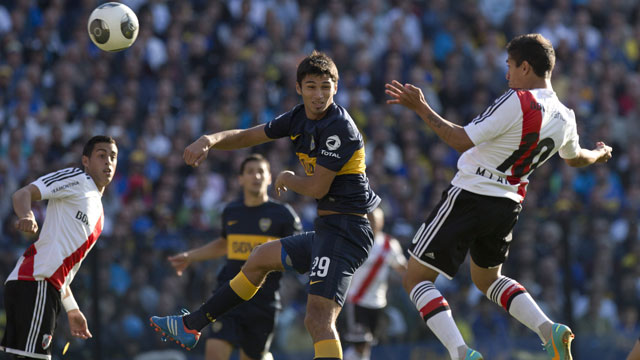
In the vibrant tapestry of global football, few rivalries burn with the intensity and historical weight of Mexico`s El Super Clásico. This isn`t just a game; it`s a cultural phenomenon, a societal fault line, and a perennial test of national pride played out between two of Liga MX`s most storied institutions: Club América and Chivas Guadalajara.
More Than Just Three Points: The Genesis of a Legend
Imagine a rivalry so profound that its very name, “The Super Classic,” feels almost understated. Since their first official encounter in 1943, Club América and Chivas Guadalajara have squared off over 240 times across various competitions, forging a saga rich with drama, controversy, and unbridled passion. While the statistics may show a slight edge one way or the other over the decades, the truth of El Super Clásico lies beyond mere win-loss records.
At its core, this rivalry is a clash of ideologies, a mirror reflecting Mexico`s diverse social fabric:
- Club América: The Establishment, The Wealthy, The “Europeanized.” Hailing from the sprawling metropolis of Mexico City, América has long been associated with the country`s elite, often seen as the “foreigners” or “rich kids” due to their willingness to sign top international talent. They are the most successful club in Mexican football history, a fact their detractors love to begrudge. Their motto, “Odiame Más” (Hate Me More), perfectly encapsulates their defiant, often villainized, persona.
- Chivas Guadalajara: The People`s Team, The Purity, The “Mexican Pride.” Representing the more traditional, conservative spirit of Guadalajara, Chivas famously fields only Mexican-born players. This commitment to national identity resonates deeply with a significant portion of the population, positioning them as the authentic “people`s team.” They embody a romantic ideal of homegrown talent triumphing against the odds, a David to América`s Goliath.
This stark contrast isn`t just marketing; it’s a deeply ingrained part of their identities, fueling a narrative that transcends football and infiltrates everyday conversations.
When Form Meets Fury: The Unpredictable Nature of the Clash
As the recent Liga MX season showed, even after a stumble, Club América can find its stride with impressive momentum. Players like Allan Saint-Maximin, injecting European flair, can quickly turn fortunes around, pushing a team towards the top. Similarly, the individual brilliance of a rejuvenated Alex Zendejas, scoring for his national team, can be the spark a club needs. Yet, when the whistle blows for El Super Clásico, all such prior form often becomes mere trivia.
This match is a crucible where tactics often give way to raw emotion and individual brilliance born of sheer will. It`s not uncommon for a team struggling for consistency to find an unexpected surge of energy, fueled by the sheer magnitude of the occasion, to upset their fiercest rival. The pressure on coaches, players, and even the smallest ball boy is immense. It`s a game where legacies are forged and shattered in 90 minutes.
“In El Super Clásico, the ball doesn`t just represent points; it`s a symbol of regional pride, national identity, and bragging rights that last until the next encounter. Logic often takes a backseat to the heart.”
Liga MX`s Evolving Landscape: A New Era for the Classic
The landscape of Liga MX is continually shifting. The influx of high-profile international talent – names like Sergio Ramos, James Rodriguez, and Anthony Martial – alongside Mexican legends like Chicharito returning home, signifies a league of increasing quality and global appeal. This competitive escalation means that even the titans of Mexican football, like América and Chivas, must fight harder than ever to maintain their dominance.
This heightened competition only adds another layer of intrigue to El Super Clásico. A victory here is not just about beating a rival; it`s a definitive statement of intent within a league that demands consistent excellence. It`s an opportunity for a team to consolidate its position, silence critics, and, perhaps most importantly, earn the right to boast to millions of passionate fans.
The Enduring Legacy: Why It Matters
Ultimately, El Super Clásico is more than just a football match; it`s a cultural touchstone. For generations, it has captivated Mexican families, uniting and dividing households every time the two giants meet. It`s the story of Mexico itself, played out on the pitch: tradition versus modernity, the capital versus the provinces, humble origins versus financial might.
As long as there is football in Mexico, the rivalry between Club América and Chivas Guadalajara will continue to be its beating heart – an unpredictable, passionate, and utterly essential spectacle that reminds us why we love the beautiful game.